


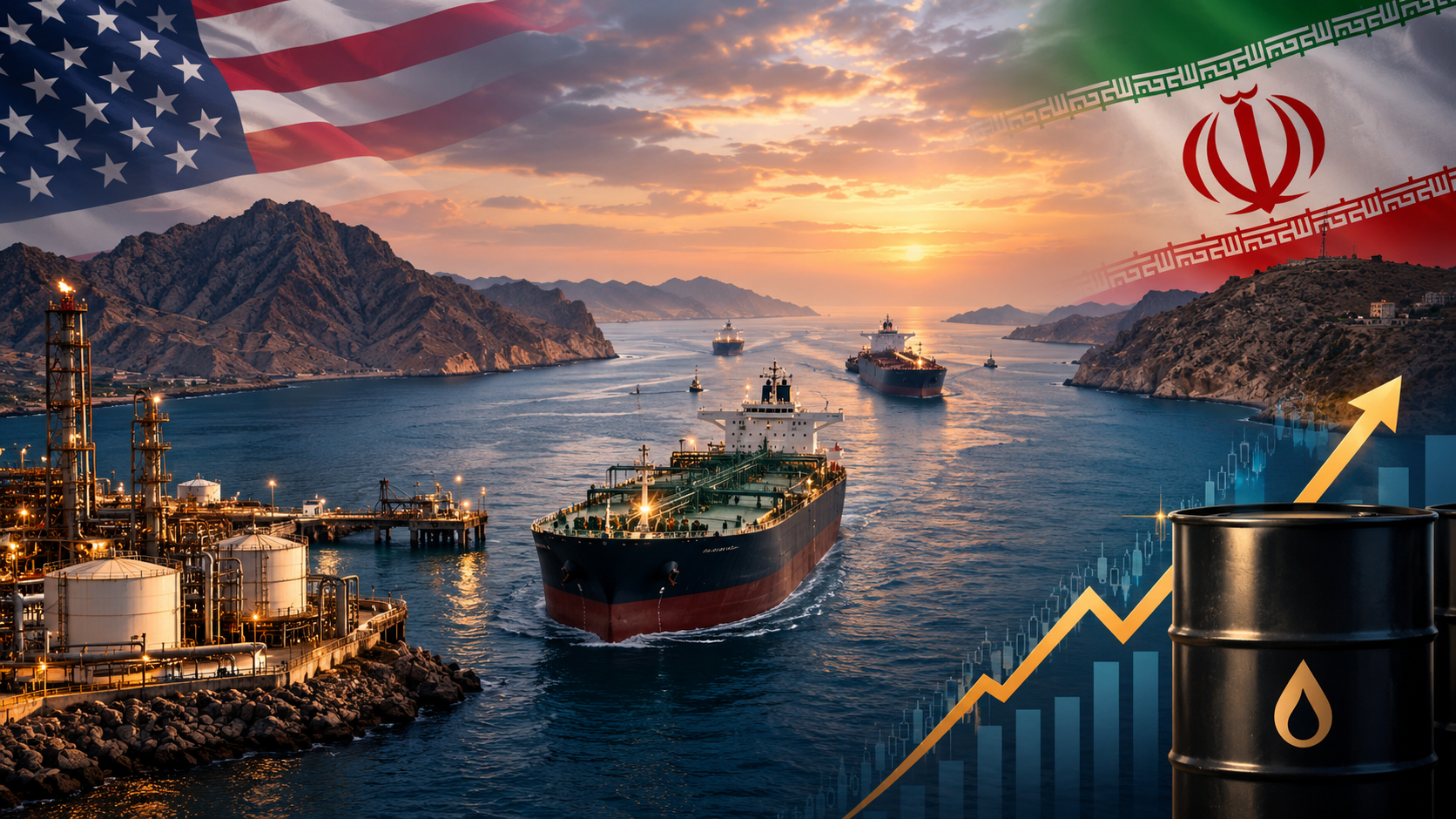
Global oil prices moved higher on Monday as uncertainty surrounding US-Iran peace efforts increased concerns about energy supplies and shipping through the strategically important Strait of Hormuz.
Brent crude futures rose more than 1%, reaching around $105.64 a barrel, while US West Texas Intermediate (WTI) crude climbed to about $93.11 a barrel in early trading. Later Reuters market updates put Brent above $106 a barrel as the session progressed.
The latest move came after US President Donald Trump rejected an Iranian proposal aimed at ending the conflict and reopening the Strait of Hormuz. Iran had presented the proposal during the UN General Assembly, with the initiative reportedly transmitted to US officials through Qatari mediators. Trump has nevertheless said he expects further discussions with Iran during the week.
The Strait of Hormuz remains a major focus for energy markets because of its importance to global oil and liquefied natural gas shipments. Recent Reuters reporting showed that vessel traffic through the waterway had fallen sharply amid the continuing regional conflict, although oil shipments have continued.
Meanwhile, preliminary Kpler data showed crude exports from key Middle Eastern producers rebounded to approximately 12.8 million barrels per day in September, the highest level since the conflict began in February. Exports through the Strait of Hormuz were expected to reach about 7.4 million barrels per day this month.
Saudi Arabia and the United Arab Emirates have increased exports, helping regional supply recover. However, Middle Eastern crude exports remained around 6 million barrels per day below February’s level, highlighting the continuing disruption to regional energy flows.
The oil market is also watching refined-product supplies closely. Record US diesel prices have increased concerns about inflation and prompted renewed discussion about possible restrictions on US diesel exports. Analysts cited by Reuters said such restrictions could reduce supplies available to overseas markets, particularly Europe.
With diplomatic efforts still unresolved and shipping through the Strait of Hormuz under close market scrutiny, traders are continuing to monitor developments in the US-Iran negotiations, regional attacks and changes in Middle Eastern oil exports.

